How To Ease Your Dog’s Worries During Thunderstorms


Source: Dallas Morning News

Last night in Dallas, we had some dazzling thunderstorms — I’m a fan. As humans, we’re well aware that the odds of a thunderstorm causing us harm are slim. Some dogs don’t mind thunderstorms. On the other hand, dogs might display some anxious behavior, and others may just totally fall apart. First, imagine the sound of thunder the way you hear it, and then crank it up. Not only are dogs ears more sensitive, some can even detect what we cannot on the sound spectrum. The vibrations from a thunderstorm and changes in the atmosphere most certainly affect animals differently.

What can you do if your dog is one of many who suffer during severe weather? There are several steps you can take. Thundershirts are becoming increasingly popular to help soothe your dog through the storm. There are more details about how these work at their website, and they say that 80% of dogs improve with the use of this special garment that applies pressure to their body. The methodology behind this explains that the pressure from the Thundershirt has a calming effect on your dog’s nervous system. Other methods include holisitc remedies, like DAP (dog-appeasing pheremone) collars and herbal supplements. Many owners’ last-ditch effort to help their dogs suffer less during a storm require a veterinarian’s prescription.

From Thundershirt

One tried and true method used by behaviorists involves a method called desensitization and counter-conditioning. This can be tricky and possibly damaging if not done correctly, but the basics of this method are easy to understand. Your dog associates the sound of thunder with the fear. Your goal here is to gradually — and carefully — reduce your dog’s fear of something we can control. A recording of thunderstorms (or any other loud noises, like fireworks) can be played at almost inaudible levels to start. While the sounds play, that’s where counter-conditioning comes in. Play a game with your dog, reward your dog for performing tricks, and keep him or her occupied and happy. If at any time you notice signs of anxiety due to the recorded thunder, stop it immediately — you are trying to prevent stress, not cause it. If your dog seems happy, continue the play and relaxation for about 10 minutes, break for about 5, and gradually increase. This is not a fast process, but over time with enough care and consistency, you can help rid your dog of the anxiety and stress from the loud noises.

If your dog has this problem and you could use some help, contact us. We can set up a private session to work on helping you and your dog live a happier life together! Also, share your tricks on how you calm your dog during a thunderstorm on our Facebook.

William R. Nadeau, ABCDT is the Staff Dog Trainer and Operations Assistant with Park Cities Pet Sitter, Inc., the #1 pet care company in Dallas, Texas. Will has worked with dogs and other animals for over four years, both within the pet care industry and in rescue/shelter environments. As a certified dog trainer, he primarily provides in-home private dog training services, focusing on improving the relationship between pets and their owners using a positive reinforcement-based “whole picture” approach. He also provides adoption consultation with a history of several successful placements.

Tips on Choosing the Right Pet for Your Family


Choosing a pet is something that requires a lot of thought and consideration before the decision is final; one must look at this decision as a lifetime commitment (for the lifetime of the pet) - you're taking a life into your home and will be responsible for their well-being, and you must also consider the overall well-being of your family!

The first step in this decision is coming to a consensus on each member of the family's preference as to which type of pet - big dog, small dog, a particular breed? A cat? Maybe start with a hamster? It's important that everyone agrees as to avoid fostering resentment!

Another major factor in deciding on a pet is to determine your family's schedule and level of activity. Are you constantly on the go? Do you have frequent houseguests? Are you homebodies? Does someone stay home all day? An answer to any of these questions can give you vital clues. A puppy isn't going to be a great addition to a family that doesn't have the enormous amount of time and consistency needed to raise it. A cat may not be very happy in a home with frequent visitors, or may even be prone to escaping. A big, energetic dog wouldn't be ideal for a family with small children or elderly visitors. Of course, there are always management strategies you could consider implementing if your family life doesn't perfectly lend itself to the type of pet you want.

Your willingness to learn is of utmost importance - and your ability to teach your children is imperative. Animals aren't people, or toys for that matter. Learning proper animal handling techniques and passing them on to your kids is not only good for your pet, but essential in preventing dangerous accidents and injuries. Learning how to effectively train your pet to avoid, manage, and correct behavior issues is also something to give a lot of time and thought.

Budgeting for a pet is also crucial; all too often, family pets are abandoned at shelters with the reason of "can't afford it anymore" attached. Not only are you to provide basic needs like food, toys, and equipment, but you also have to keep in mind veterinary bills for regular checkups and emergencies. Pet insurance is available - is it right for you? Also, for the time your busy family is away at school, work, or on vacation, you should consider hiring a reputable pet sitter to care for your pets. Not only do they take care of the basic needs, but they are great at exercising your pets and spoiling them rotten with attention!

If you already have pets, it is a good idea to do some research as to how to introduce a new family member. With dogs, it's important for the current dog and existing dog to meet on neutral ground to avoid any territorial disputes; many shelters have meet and greet rooms where this is possible when you are choosing a new dog. Watch your dog's body language, as well as the new puppy. Are they wagging tails? Greeting appropriately? Inviting play? Is your current dog growling, showing teeth, licking lips, or yawning? Knowing how to recognize these warning signs can help you determine if the new dog is a good match.

Last but not least, it may be a good idea to find a local expert such as a dog trainer, cat rescue group, or another animal professional to help guide you in your decision. Some provide adoption consultation to ensure your family makes the right decisions early on and makes the period of adjustment easier on your new pet. It's not out of the ordinary to ask a dog trainer if they are good with kids; they can often provide that outside voice of reason!


William R. Nadeau, ABCDT is the Staff Dog Trainer and Operations Assistant with Park Cities Pet Sitter, Inc., the #1 pet care company in Dallas, Texas. Will has worked with dogs and other animals for over four years, both within the pet care industry and in rescue/shelter environments. As a certified dog trainer, he primarily provides in-home private dog training services, focusing on improving the relationship between pets and their owners using a positive reinforcement-based “whole picture” approach. He also provides adoption consultation with a history of several successful placements.


Spring Safety Tips for Pets


Spring is here! We know your dogs are just as excited as we are to get outside and shake off that winter coat. But before you let your pets outside to roll in the fresh green grass, make sure you have doggie-proofed your outdoor space.

With the warmer weather and sunshine, come the April showers and BUGS! Mosquitoes can carry the larvae that cause heartworm disease, a very costly and potentially fatal illness. Along with your dog’s monthly heartworm prevention medication, keep your yard clean and trimmed to prevent it from becoming a bug haven. Make sure your planters, kids toys, and lawn furniture are not holding standing water, which is the ideal breeding ground for those pesky little biters. And don’t forget to regularly remove your dog’s waste, as that tends to attract another disease carrier: flies. If picking up dog poo is not your idea of a fun afternoon, Dallas has plenty of companies that will be happy to take care of this necessary task for you. Springtime is also a time for sprucing up the garden. Although fertilizers make our lawns pretty and green, they can be very toxic to animals, including the natural or organic ones. Blood meal, bone meal, and fish meal can smell very appealing to dogs, but if ingested can cause vomiting, diarrhea, dehydration, and gastrointestinal blockage. To be safe, go for a veggie-based fertilizer, such as one that uses cornmeal or alfalfa. When selecting a mulch, choose small cedar chips that will not irritate or cut your pet’s feet if they accidentally follow a squirrel into the flower bed. Also, avoid cocoa mulch because it is just as appetizing and equally as dangerous!

Your garden may smell like a treat buffet to your dog, so be mindful of the flowers you choose to plant. Azalea, chrysanthemum, daffodil, rhododendron, sago palm, tulips, and hydrangeas are all toxic to pets. The ASPCA has a comprehensive list of what plants to avoid.

What is your spring cleaning ritual? Share your tips on keeping Fido happy and healthy with us on our Facebook!


Being Prepared for Injuries or Illness


Pet First Aid

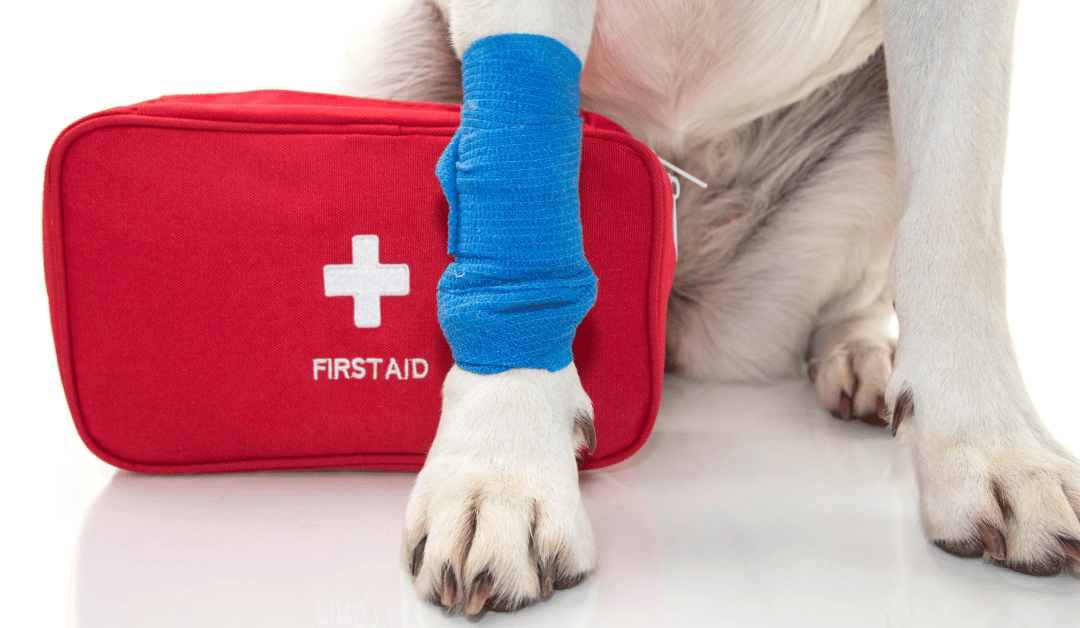
April kicks off Pet First Aid Awareness month. Although we do our best as pet parents to prevent accidents, injuries and illnesses can happen and knowing the right steps to take can save your pet’s life.

Having a well assembled first aid kit for your pet is a must. If a medical emergency arises, you want to have all of the necessary tools in one place. Make sure to include phone numbers for your veterinarian and nearest emergency veterinary clinic (and directions!), as well as a  poison-control center or hotline (like the Pet Poison Hotline at 800-213-6680). For a complete list of what to include in your pet first aid kit, use this checklist. You will also want to become familiar with how and when to use the items in your kit. This guide from the American Veterinary Medical Association outlines the basic procedures for what to do if your pet stops breathing and other scary situations.

As professional pet sitters, we know how important it is to be prepared for the unexpected. Earlier this year, our sitters took the PetTech Pet First Aid & CPR Certification class taught by master instructor Arden Moore. During this 6 hour course, we learned the proper way to restrain and muzzle a cat or dog, what to do if your pet is choking, and how to make a splint using whatever tools are available. Also discussed was care for heatstroke, bleeding, frostbite, poisoning, seizures, and shock. Even if you don’t work in the pet services industry, knowing what to do when a pet emergency happens is a great investment in the safety and well-being of your four-legged family.

Have you ever had an emergency with your pet? And what’s in your pet first aid kit? Share your thoughts with us on Facebook!

How to Have a Healthy Outdoor Cat


With the weather getting warmer and Springtime just around the corner, people and animals alike cannot wait to get outside! While Fido gets to frolic at the dog park, your cat may also be craving the stimulation of the great outdoors. If you are aware of the dangers outside life poses and take necessary precautions, you can have a happy and healthy outdoor cat.

There are many risks outside for cats that can sometimes be hard to anticipate. Some of the biggest dangers are fights with other animals, cars, and poisons such as antifreeze, bleach, fertilizers, herbicides, as well as insect and rodent bait. Outdoor cats are more susceptible to herpes, rabies, and heartworms. They’re also at risk for fatal infections like feline leukemia. Plan ahead before letting your feline friend head outside:

  • Collar your cat. Always put a collar on your cat and attach ID tags. This helps others know your pet has a home and makes it easy for them to contact you. Be sure kitty’s collar has a “break away” feature. If your cat gets caught on a fence or branch, this type of collar snaps open.
  • Microchip your pet. This permanent form of identification ensures that someone who finds your kitty can quickly return her. A vet checks for the ID embedded in your cat’s neck and scans it for your address.
  • Keep vaccinations up-to-date. Discuss with your vet which vaccines are most helpful for your outdoor cat’s health and how often she needs them. Follow through to protect your cat from diseases and infections.
  • Medicate for fleas and ticks. All it takes is one flea to start your kitty biting and scratching, so apply flea medicine before taking your cat outdoors.

The great outdoors is a good way for your cat to get some exercise and release stress. In fact, cats that go outside have fewer health and behavior problems, Marla J. McGeorge, DVM says. But if you aren’t ready to let your kitty roam freely, there are many ways to enrich the lives of indoor cats by offering them safe experiences outside. With a little time and patience, leash training is one way to let your kitty get outside. Remember to use a harness when leash training since cats can escape from simple collars when they’re spooked. For more tips on how to leash train your cat, check out this great article.

Another option is to provide a secure enclosure connected to your house or in your yard. Ranging from humble to humongous, these kitty containers can be furnished with old tree stumps and perches for climbing and scratching opportunities; tarps to provide shade and protection from the elements; even enclosed ladders for safe access to and from the house. If your home doesn’t have a backyard, try installing indoor window boxes or perches to let your cat enjoy the sunshine and fresh air.

How do you keep your outdoor kitties healthy? And if your cat stays indoors, what tips and tricks do you have to let them enjoy these sunny, warm days? Share your thoughts with us on Facebook!

Health information provided by: http://pets.webmd.com/features/outdoor-cat-risks

February is Pet Dental Health Month


Does your pet’s breath send you running in the opposite direction? Don’t ignore bad breath in your cats and dogs as that can signify much more serious health risks. According to the American Animal Hospital Association, proper dental care can detect dental disease that not only affects the mouth, but can also lead to more serious health problems such as heart, lung, and kidney disease. And yet, it is one of the most overlooked areas in pet health.

Periodontal disease is the most common clinical condition in cats and dogs even though it’s completely preventable. Problems begin when plaque builds up on your dog’s teeth and transforms into a brownish substance, known as tartar. When this moves under the gum line, red, puffy gums develop, called gingivitis. Left untreated, this progresses into periodontal disease, causing the gums to recede and lose their function. This can eventually lead to tooth loss.

Along with annual dental exams at your veterinarians office, there are things you can do at home to keep your pet’s pearly whites clean. Dr. Sheldon Rubin of the American Veterinary Medical Association gives easy, step-by-step instructions on how to teach a dog or cat to accept a daily tooth brushing. With patience and practice, this daily ritual can become a source of bonding for you and your pet.

In addition to daily brushing, there are a wide range of treats and toys that help to reduce plaque and tartar. Dogs that chew actively generally have less plaque build-up. From chewy treats in toothbrush shapes, such as Greenies, to rope toys that floss your dog’s teeth. There are even all natural rinses and spray that help to clean teeth and freshen breath.Do you have any tips or tricks on how you keep your dog or cat’s teeth shiny and healthy? Share them with us on our Facebook page!

Health information provided by American Veterinary Medical Assoc. and Animal Planet Pets 101:Health.

January is National Train Your Dog Month


January is the time for New Years Resolutions which usually involve improving yourself and your relationships. So why not commit to enriching your canine partnership through training? Obedience training is critical when it comes to nurturing a healthy human-animal relationship and creating a socially compatible pet.

The benefits of having a trained dog are endless!  Regardless of the age that you start working with your dog, training provides dogs with the basic good manners we all want—from polite greeting when guests arrive, to walking nicely on the leash, to coming when called. Here are just a few reasons why you should start training your dog today:

  • Training enables you to choose from among a broad range of activities and dog sports to participate in and enjoy with your dog such as dog agility, Rally-obedience, dancing with your dog, tracking, search & rescue, skijoring, sledding, water rescue trials, obedience, carting, reading programs, therapy work, and a nearly endless range of fun and philanthropic things to do!
  • Training has been shown to be the single most important thing that keeps a dog in his or her “forever” home.
  • Training builds your mutual bond, enhances the partnership and enriches the relationship you share with your dog. Is there anything better?
  • Having a trained dog is a joy for both you and your dog!

To jump start your training, Park Cities Pet Sitter is hosting an entertaining and informative event with renowned animal behavior expert, Arden Moore! During the Dog and Cat Behavior Talk on January 26th, Arden will be teaching you how to read cat and dog body language, how to handle dog and cat “behavior” problems, how to manage overly excited dogs, mixing a new cat or dog with current pets, and many other extremely useful tidbits to enhance your relationship with your pets. For more details or to register for this exciting event, please visit our Events Page. Don’t miss this chance to learn what every pet owner should know!

Benefits courtesy of http://www.trainyourdogmonth.com/tips/benefits.aspx

What is Leash Frustration?


Scott Sheaffer, ABCDT ©2012
Trainer for Park Cities Pet Sitter, Inc.

Is your dog Mr. Wonderful off-leash and a handful when on-leash? This seems counterintuitive. When your dog is connected to you by a leash, you would think his behavior would be better than when off-leash. Not always the case.

First, let me be clear that there is a difference between leash aggression and leash frustration. Simply stated, leash aggression can occur when a dog is fearful and feels trapped when on-leash. With no option to run, a leash aggressive dog can choose to act aggressively in hopes of getting the scary dog or human to move away. Leash frustration, on the other hand, occurs when a dog is annoyed by his inability to move freely or irritated by pain while on-leash.

Below are some of the reasons why dogs can have behavioral problems (i.e., experience leash frustration) when on-leash.

• One of the most prevalent causes of leash frustration is the wrong type of collar. Think about it, how happy would you be if you had to wear a choke collar or, even worse, a prong collar? Most dogs don’t fully understand what is causing all the pain around their neck – they just know it hurts. We can certainly understand that dogs, just like humans, can get grouchy when in pain.
• There are two things that are good indicators of a healthy dog – insatiable appetite and unbounded curiosity. It’s the latter that can lead to leash frustration. If a dog is continually prevented from getting to things he wants to investigate (e.g., another dog, interesting smell), he can become frustrated.
• My clients frequently hear me talk about not micromanaging the leash. In our desire to be good dog handlers, we can unknowingly provide too many leash inputs to our dogs. We want them to move right, move left, back up and stop with precision. All of this tugging on dogs’ necks can become a bit annoying to them and cause them to react.
• Owners sometimes punish their dogs as a way to stop unruly and reactive behavior when on-leash. This just temporarily stops the behavior while only increasing the amount of frustration. Worse yet, we teach dogs to “mask” their frustration in order to avoid punishment which creates a ticking time bomb, but without the ticker.
• Dogs that walk you, instead of you walking them, are inadvertently causing their own leash frustration. The constant pressure put on a dog’s trachea when he pulls like this can make him miserable. I know what you’re saying, “But Scott, dogs are doing it to themselves!”

Leash frustration can be addressed and this unwanted behavior can be extinguished. Unchecked leash frustration can frequently turn into leash aggression which is more difficult to treat.

Ways to reduce or eliminate leash frustration:

1) Use a humane and properly fitted collar (I prefer wide, buckle type, flat collars).
2) Provide your dog plenty of safe and appropriate opportunities to freely interact with other people and dogs (e.g., dog parks).
3) Learn how to handle your dog more comfortably and confidently.
4) Teach your dog how to walk on a loose leash.
5) Use positive training techniques.

If you have a dog that is presenting with leash frustration, please seek the help of a professional dog trainer or behaviorist. This will make you and your dog happier and help prevent leash frustration from escalating to leash aggression.

Do You Have An Aggressive Dog?


Scott Sheaffer, ABCDT ©2012
Trainer for Park Cities Pet Sitter, Inc.

Dog aggression is a common and serious issue – and is on the rise. One of the possible reasons for this is that dogs, in general, have less interaction with other dogs and humans than they did in past decades (dog parks notwithstanding). I don’t want to oversimplify here, but too little socialization isn’t good for a dog.

You might be surprised to learn that the cause of a substantial amount of dog aggression is fear. If dogs are afraid of another dog or human, they will aggress in order to get the thing they fear to move away. In an anxious dog’s mind, distance equals security.

Have you ever noticed that your dog appears to be more aggressive toward other dogs and/or humans when on a leash? If your dog is fearful, there are essentially three options open to him when presented with something that makes him afraid. He can flee, freeze or fight. When on a leash, however, Max can only freeze or fight. Even if Max is not particularly predisposed to fighting, he may see no other alternative when he’s tethered to you. This phenomenon is called leash aggression (not to be confused with leash frustration) and is common.

There are countless numbers of dog aggression categories. Below I’ve provided a high-level overview of the most common.

Dog-Dog. This refers to dogs who are aggressive toward other dogs.

Dog-Human. In this case the dog is aggressive toward humans. Both dog-dog and dog-human can, and frequently do, coexist.

In-Home. This is the same as dog-dog aggression except the dogs who aren’t getting along live in the same household. Possibly the most difficult type of aggression to treat.

Contextual Aggression. This can be a subtype of those listed above. It simply means that the dog exhibits aggressive behaviors in certain contexts (e.g., when near men with beards).

If your dog is presenting with aggression directed at dogs and/or humans, please get professional help. Canine aggression tends to escalate over time without intervention. The progression can be slow and insidious; frequently, the owner doesn’t recognize it until there is a serious incident. There are many treatment protocols available, but they require patience on the part of the owner.

Safety is the most important issue when working with an aggressive dog – please seek the advice of a professional and carefully follow his or her instructions.

4 Dog Bite Prevention Essentials You Need To Know To Protect Your Child


Scott Sheaffer, ABCDT ©2012
Trainer for Park Cities Pet Sitter, Inc.

No one can guarantee that a dog, even your own, will not bite your child. Some dog owners think their Max would never hurt a flea, much less bite their own child. Remember that dogs are animals and, given the right circumstances, may respond to your child by biting.

Child Dog Bite Facts

•Any breed of dog can bite children; even small dogs can represent a significant threat to children.
•82% of dog bites treated in the emergency room involve children less than 15 years of age.
•Bite rates are dramatically higher for children who are 5 to 9 years old.
•65% of bites among children occur to the head and neck because of a child’s size relative to the dog.

Children are clearly at higher risk for dog bites.

Education Is The Key

Most people don’t appreciate how quickly a dog can bite. Most, but not all, dogs give a warning growl before biting. The interval between the growl and the bite can sometimes be just milliseconds, making avoidance impossible.

Teaching your child to recognize situations when a dog might bite is the key to preventing bites – including bites from the family pet. Educate your children on the basics below and closely monitor them to ensure they adhere to these guidelines with unknown and known dogs. This list does not represent all risk factors, but it does represent some of the most important ones.

4 Dog Bite Prevention Basics For Children

These guidelines apply to unfamiliar dogs and to dogs in your household.

1) Most importantly, parents should always closely supervise children when they are near dogs, any dogs. This is especially important for infants and toddlers.

2) Children need to know that getting face-to-face with any dog can be extremely dangerous. In the dog’s world this can be considered confrontational. A child might do this many times to the family dog with no consequence; however, this is not a 100% predictor of future behavior. It concerns me that I frequently see pet industry advertising showing children face-to-face with dogs.

3) Primates (e.g., humans, apes and monkeys) enjoy hugging one another and find comfort in this. This is a unique attribute of primates that is not shared by other species. Canines may tolerate hugging by humans but can also see it as threatening behavior. Teach your children not to hug or lie on Fido or any other dog.

4) Just like humans, dogs don’t like being bothered when sleeping or resting. Unlike grandpa, dogs can instinctively react by biting the person that startles them. Instruct your children to steer clear of sleeping or resting dogs.

The Top 10 Dog Owner Mistakes


Scott Sheaffer, ABCDT ©2012
Trainer for Park Cities Pet Sitter, Inc.

In my private dog training practice I am frequently asked what the most common dog ownership issues are. I’ve prepared a list below of the top 10 that I regularly observe, but, before you read my list, remember there is no such thing as a perfect dog owner – including myself. We are all constantly learning to be better stewards of these magnificent animals.

1. Dominance. We don’t have to “dominate” dogs by filling them with fear and anxiety. We need to be great “pet parents” to our dogs. Good human parents don’t need their children to cower in their presence in order to have well behaved and mentally healthy children. Neither do dogs.

2. Victimization. The moment we hear ourselves say things like, “My dog won’t let me…”, “If I don’t ____ my dog will…” and “The only way I can get my dog to ____ is to…” a red flag should be raised. Dogs aren’t challenging us when they behave like this; they are most likely not experiencing the kind of loving, confident and deliberate leadership that eliminates undesirable behaviors and makes them more at ease.

3. Exercise. Most dogs need a lot more exercise than we think, especially younger dogs and more active breeds. Left to their own devices, most dogs will choose to lie down and sleep (I guess dogs and humans aren’t that different in this area). A minimum of three 20-30 minute intense exercise sessions per week (e.g., running with the owner, energetic ball-throwing, treadmill, etc.) is ideal for a young to middle aged healthy dog in addition to regular walks. This level of exercise helps them physically and mentally. See your veterinarian for exercise guidelines if you have any questions.

4. Overweight Dogs. Since we control the food intake of our dogs, it’s usually easy for us to control our dog’s weight through portion control. Most dogs don’t drive themselves to McDonalds and load up on fast food! We ultimately control their food intake and ergo their weight. Ask your veterinarian for help if your dog is overweight.

5. Inconsistency with Expectations. Dogs want to please us; we make this difficult for them if we are not consistent with our rules, boundaries and limitations.

6. Talking. Simply stated, most of us talk too much to our dogs! We confuse them with long and wordy commands and cues as if they know English. “Sit” used consistently is much more effective than, “Max, if you don’t mind, I need you to move over here and sit down while I cook dinner.” Watch professional dog handlers and you’ll notice they use very few words – if any.

7. Waiting. One of the most powerful concepts we can learn as dog owners is to wait. We need to give our dogs a few seconds to comply with our wishes (i.e., cues or commands). Patience in this area helps your dog learn and improves the dog-owner relationship.

8. Deliberate. Dogs are smart! They know when we don’t know what we’re doing or when we’re not confident. We need to work with our dogs in a confident and deliberate manner. It’s important to note that this doesn’t mean we should be abusive to our dogs in any way. In short, dogs love to follow handlers who are confident and know what they’re doing.

9. Inside versus Outside. Dogs are social animals (that’s why we love them) and need to spend most of their time near their human guardians. When we don’t satisfy this social need, there can be behavioral and health issues that follow. Our dogs need to spend the vast majority of their time with us – inside our homes. Why? Because that’s where human families live and dogs want and need to be part of our families.

10. Breathing/Relaxed Body. Our canine buddies have an uncanny ability to detect when we’re tense. This is a result of their hard-wired prey drive skills. It is absolutely amazing how much better dogs will respond to us when we are relaxed (called a “soft body”) and breathing calmly.

Introducing Pets to Each Other


cat and dog pcpsi

Whether or not your pets get along depend on their personalities. Your current pet may view a new pet as a threat; there may be a few scuffles as each animal establishes his “place in the pack”. Do not interrupt them if there is no danger of injury, and provided they are supervised at all times.

Some pets will merely tolerate each other. Others will become great companions (like my own two dogs and cat). Here are a few tips for introducing a new pet into your home.

Always supervise your pets until you are absolutely sure they get along. Until then, separate your pets by confining at least one of them to its own room. Only allow them to interact with each other with your supervision. It may take them hours, days, weeks, or even months for your pets to adjust fully to one another.

Introduce your pets indoors in controlled situations. Keep your dogs on a leash and do not tolerate any aggressive behaviour. If you are introducing a cat to a dog, do not allow the dog to chase or corner the cat – even if it’s out of playfulness or curiosity.

When introducing a cat to a dog, do NOT hold the cat in your arms. A frightened or nervous cat may scratch.

Allow your new pet to familiarize itself with its new home. Temporarily confine existing pets to a room to give your new pet a chance to feel more comfortable with its surroundings.

Give your pets separate food and water bowls. If you are introducing cats, also provide separate litter boxes. Feed your new and existing pets in different locations.

Be especially careful when introducing dogs or cats to caged animals. Dogs and cats can live in harmony with rabbies, guinea pigs, birds, etc… but please introduce them under strictly controlled supervision. Keep in mind that cats are very agile, so placing a cage high up on a shelf doesn’t necessarily protect the caged pet. Don’t take any chances – one mistake could be fatal to your caged pet.

Give them time. Do not try to force your pets together; allow them to adjust at their own pace. Give all your pets – particularly the new one – time to gain confidence and decide when to face his or her new housemates.

Pet Adoption: Preparing for a New Pet


dot and woman, dog walking

Before you bring your new friend home, it’s best to be prepared to prevent unnecessary confusion and stress.

Establish the rules. Decide who’s responsible for what: grooming, feeding, exercising, cleaning, play-time, and so on. Also establish whether or not there will be areas that are “off-limits” for your new pet. For example, you may not want your pet to sleep on the bed.

Have all the necessary supplies ready. Examples are food, food and water bowls, leash or harness, collar and identification, brush, and so on.

Pet-proof your home. Some things you may want to consider include:

  • Lock away household chemicals, such as cleansers, insecticide, antifreeze, and others. Animals are especially attracted to antifreeze; be sure to clean up spills immediately and keep the rest out of reach as even a small amount can be fatal.
  • Place houseplants out of reach. Many houseplants are poisonous.
  • Have separate areas for your new pet and any existing pets. Pets need to be introduced to one another slowly; be sure you have an extra room or a kennel so that your pets can be separated until they have grown accustomed to each other.
  • Tie electrical cords out of the way, if you can. Dogs and cats can chew on electrical cords – or even catch them while walking (or running!) around, causing lamps, TVs, radios, etc. to fall.
  • Keep doors closed - this includes the doors to your washer and dryer, your closets, the cupboards … inquisitive little animals can sneak in just about anywhere!
  • Keep household trinkets out of your pet’s reach. Stuff like garbage, medicine, pins, elastics, thread, needles, and so on should be placed out of the way.

Make sure everyone knows how to properly handle your pet. Everyone should know how to safely pick up your pet. Also emphasize certain rules such as your pet should never be disturbed while eating.

Keep other pets away at first. Your new pet may be nervous … help him or her feel more comfortable by keeping your other pets confined until you are ready to slowly introduce them.

Pet Adoption – Choosing the Right Pet


65d0384ceeb637bc814b215387d2677e resized 600

It’s so exciting to think you’ll soon be bringing home a new addition to your family!

No, I’m not talking about a baby: I’m talking about a pet.

Adopting a pet is a life-long commitment. It is an extremely rewarding experience – not only will your pet become a part of your family, but it has been shown that pets improve our lives in so many ways … there are even health benefits such as lowered blood pressure and more exercise. Consider these things before choosing to adopt a pet:

Your family’s activity level. If your family is the type that goes hiking often you will probably want a pet that you can take with you. If your family tends to stay at home to relax, a cat or a low-activity dog may be better for you.

Pet size. Is your home, yard, and car big enough to accommodate a large-breed dog? Are you able to physically handle a large dog? Do you have any physical conditions that may prevent you from exercising or caring for your pet?

Your schedule. There’s no doubt about it: dogs require far more time and effort than cats. Cats are wonderful for people who like the companionship but don’t have time to walk a dog everyday or let it out every few hours to do its “business”. Consider exercise needs, need to regularly eliminate, feeding, training, and attention.

Coat type. Generally speaking, long-haired dogs and cats will require regular grooming either by your family or a professional groomer. This can be very time-consuming (not to mention expensive!).

Your budget. It’s back to the money thing again … Just keep in mind that large dogs also require large amounts of food. Another consideration is long-haired pets that may require regular trips to the groomers.

Kitten or cat, puppy or dog? Baby animals are cute. They’re marvellously intriguing … and a lot of work. If you do not have the time or the patience to train a new kitten or puppy, consider adopting an adult. Adult dogs and cats have plenty of love to give and will bond to their new people.

Where you live and go on vacation. If you are renting accommodations or going to college, keep in mind that there places that no not allow pets at all, while others allow small dogs or cats but are extremely resistant to larger breeds. There may also be restrictions on the number of pets you may have. The same thing goes for vacations: if you would like to take your pet with you, you will find it easier to find accommodations that will allow small pets.

Your lifestyle. Are you always travelling (business/pleasure)? Is someone at home for a good part of the day, or is everyone always on the go?  You might want to hire a professional pet sitter to fill in the gaps.  When you are working long hours or you take a vacation, you can have peace of mind know a professional is there to watch over your pets, as well as your home.

Your family.

  • Do you have kids or family members with special needs? Some breeds of dogs have known tendencies to bite. Others are known to be extremely high energy dogs who require a great deal of attention and exercise, such as border collies. Young children in particular place restrictions on the type of dog you can get. You will also need to be able to properly supervise your children and dog at all times.
  • Has everybody in the family must have agreed to getting the pet? It is heartbreaking when pets are turned into shelters or abandoned because someone in the family did not want it.
  • Does anyone have allergies? Spend time with different types of pets if you can. Regardless of claims that a dog or cat is “hypoallergenic”, find out for yourself before you adopt. Dogs and cats both produce dander, which people can be allergic to.

Please do not adopt a pet as a surprise gift. Many pets are turned into animal shelters every year because the recipient of the pet did not want it. Pets have thoughts and feelings just like we do and it is frightening and confusing to be dumped at a shelter.

If you want to give a pet as a gift, please bring the recipient of the pet with you to choose one for themselves. Or ask if you can purchase a “pet gift certificate” that would allow the person to select a pet when they are ready.

How to Help a Dog with Separation Anxiety


describe the image

Because dogs are born with an instinctive pack mentality, they are very sociable creatures. Domesticated dogs look at the humans in the home as part of their “pack” and when some dogs are left alone, it can create a panic response. Dogs with separation anxiety will often dig or scratch at doors, engage in destructive chewing, howl, bark or may even urinate or defecate, even long after they have been housetrained.

There are steps you can take to help a dog that begins to exhibit signs of separation anxiety, but it can take some time for these tips to work. One of the first steps to take is to limit your dog’s ability to be destructive in your home. Rather than strictly containing the dog, place them in a room with a window which offers distractions rather than totally isolating them in a crate. Be sure to leave toys for the dog to play with and some experts recommend an old clothing item with your scent on it that will calm the dog. For severe cases of separation anxiety, hiring a dog walker is an excellent way to reduce the dog’s anxiety.

Holiday Safety for Children and Pets


The holidays are a tempting time for the little ones in your house — all those interesting new things to touch and taste. That’s why it’s important to take extra precautions.

  1. Avoid putting tinsel or popcorn on your tree — it looks fun to eat.
  2. Don’t leave edible gifts under the tree, where they are easy for pets to discover.
  3. Place small breakable ornaments high on the tree, out of reach
  4. Don’t put edible gifts in stockings near a fireplace — that’s a disaster waiting to happen.
  5. Mistletoe, poinsettas and holly are toxic, so find a safe substitute.
  6. When opening gifts, dispose of plastic wrapping, bows and ribbons quickly — they too look like they would be fun to eat.
  7. Don’t throw wrappings or packaging into the fireplace — some of it burns very rapidly, almost explosively — same goes for Christmas tree branches.
  8. Place candles out of reach and away from combustibles. Extinguish them when they are unattended and remember — hot wax burns.
  9. Don’t let your pets drink the water the tree is sitting in.
  10. Don’t feed pets chocolate, candies or cookie!

Courtesy of Sears Brands

If you are traveling for the holidays be sure to have someone checking on your home. Call Park Cities Pet Sitter for the care of your pets while you’re away.  We can also check on the overall security of your home while you are away.  If you are taking your pets, then we can still come by and check on your home.  We will bring in your mail, packages, newspapers and flyers, and alternate lights and blinds so it looks like someone is home.

Pet Sitting on a Hot Summer Night in Dallas, TX


dog summer

At 10:30 PM on a Saturday evening in early August, I received a call from Debbie, one of my wonderful pet sitters. She let me know she had run into a problem at a client’s home, where she was having an overnight visit.  The AC was out!  This being one of the hottest summers on record, as well as being a weekend, we knew we were bound to face a few hurdles in getting it repaired!

This was a special time for our client, as they were on their honeymoon cruise.   They had little to no cell reception, and were unavailable to do much from their end.   But, we assured them we would take care of everything!  This client had seven adorable babies – 4 dogs and 3 cats.  The pets’ safety, as well as that of my sitter, was extremely important to me, but there wasn’t much we could do at that late hour of the evening.  We tried a few AC companies, with no response.  My sitter opted to stay the night with the pets, and was able to manage with a couple of fans.  She put ice in bowls in front of the fans to help circulate cool air for all, and made sure each pet had cold, clean, water.

By early morning, I was on the phone looking for an AC repair company, as well as a place to board the pets. We had to keep them cool and comfortable and out of harm’s way due to the extreme temperatures rising in their home.  The task was looking more and more hopeless, until it hit me – I had recently moved my home office to a duplex, which was equipped with a dog door, as well as a small dog run.  It would be the perfect place!  While we do not take animals into our homes because we believe they should remain in their own environment, in this special circumstance, I was more than happy to be able to accommodate.  I called Debbie, and she loaded everyone up into their crates. They were in our office relaxing and cooling off by 11 AM!

I finally reached an AC repair company who responded very quickly, and was more than happy to help.  One Hour AC of Dallas arrived at the client’s home by 12:30PM, and had the AC repaired and running within the hour.  We can’t thank them enough, and will be sure recommend them, as they were very professional, courteous and WONDERFUL!

By 5PM the same day, all of the babies were back home, and things were back on track.   You never know what you may face as a pet sitter, but one thing is for sure – it’s always an adventure, and never a dull moment!

Top Ten Reasons Not to Travel with Your Pet


dog travel

  1. Accommodations:  Many hotels do not accept pets and if they do require they not be left alone.
  2. Plane trips:  Even with a reservation, airlines can refuse transporting your pet. Cargo holds are not heated or cooled or sound proof and can be very stressful on your pet and may even cause death.  High altitudes also have an amplified affect on medication or sedatives.
  3. Car trips:  All pets should be crated or restrained in a harness.  Numerous dangers exist for your pets inside and outside your vehicle.
  4. Identification:  Trying to find your pet lost in a strange city will ruin your vacation.  And they are at greater risk because they are disoriented by the strange sights, sounds and smells.
  5. Behavoir:  The stresses of traveling can test even the best-trained and well-socialized pet.
  6. Food & Water:  Drinking local water while traveling and changes in diet can cause stomach upset and diarrhea.
  7. Dangers, Diseases & Illness:  Allergies, ticks, mosquitoes, poison ivy on their coat transferred to you, just to name a few.
  8. Leashes & Laws:  Every state has a “Leash-Law” that are ticketable offenses.
  9. Emergencies & Vets:  Trying to find an emergency animal facility while dealing with your hurt and injured pets is another way to ruin your vacation.
  10. Alternative:  You have a Bonded and Insured Professional Pet Sitter caring for your pet and your home.  Hiring Park Cities Pet Sitter can give you immeasurable peace of mind while you are out of town.  Let us “Take Care of the Family You Leave Behind”.

Pet Safety – Only Takes a Minute!


Electra & ball resized 600

Park Cities Pet Sitter loves the animals we care for and want to do all we can to keep them safe.  Here are some helpful tips from UL.

Safety doesn’t take a lot of time, but it does take thought and planning. Not sure how to Commit a Minute to Safety? Pick one, 10 or 100 of the things below and get started today. You’ll see that sometimes it just takes a minute to avoid what could be a lifetime of regret.

  1. Test each smoke alarm in your home
  2. Replace the batteries in each smoke alarm
  3. Count how many smoke alarms you have in your house. If you do not have one on every level and near sleeping areas, purchase additional smoke alarms
  4. Designate an outside meeting place for your family (for example: the mailbox) in case of a fire or emergency
  5. Blow out candles before leaving the room or going to sleep
  6. Use a sturdy candle holder or hurricane lamp
  7. Turn down your hot water heater to 120 degrees or less to prevent burns
  8. Roll up your sleeves before you start cooking
  9. Have oven mitts nearby when cooking
  10. Turn pot handles toward the back of the stove
  11. Store all matches and lighters out of reach of children
  12. Put hot food and drinks near the center of the table only
  13. Put down your hot drink when carrying your baby
  14. Test hot water with an elbow before allowing a child to touch
  15. Post your fire escape plan on your refrigerator
  16. Put water on cigarette butts before throwing them away
  17. Unplug small appliances such as hair dryers and toasters after using them
  18. Use flameless candles
  19. Move anything that can burn, such as dish towels, at least three feet away from the stove
  20. Practice “Stop, Drop and Roll” with your kids
  21. Schedule an appointment to have your furnace cleaned and inspected
  22. Look for the UL Mark when you buy appliances
  23. Tell kids to stay away from the stove/oven
  24. Turn space heaters off before going to bed
  25. Remove any gasoline from your home
  26. Put non-slip strips in your tub and shower
  27. Install night lights in the hallway
  28. Put a flashlight in each bedroom
  29. Wipe up spills as soon as they happen to prevent slips and falls
  30. Use a sturdy Christmas tree stand
  31. Water your Christmas tree every day
  32. Keep your Christmas tree at least three feet away from any heat source
  33. Inspect your Christmas lights for signs of damage
  34. Flip over large buckets so water cannot accumulate and become a drowning danger
  35. Store cleaners and other poisons away from food
  36. Post the Poison Control hotline number (1-800-222-1222) next to your phone
  37. If you have young children, use cabinet locks on cabinets that have poisons such as antifreeze, cleaners, detergents, etc.
  38. Keep medicine in its original containers
  39. Purchase a carbon monoxide detector for your home
  40. Test your carbon monoxide (CO) alarm
  41. Put your infant to sleep on his/her back
  42. Remove any soft bedding, stuffed animals and pillows from your infant’s crib
  43. Cut your toddler’s food into small bites
  44. Use safety straps on high chairs and changing tables
  45. Check www.recalls.gov to see if any items in your home (including cribs) have been recalled
  46. Move cribs away from windows
  47. Use safety covers on unused electrical outlets
  48. Test small toys for choking hazards – if it fits in a toilet paper roll, it’s too small
  49. Remove all plastic bags from the nursery
  50. Pick up any small items, such as coins or buttons, that can be choking hazards for infants and toddlers
  51. Write down emergency contact information for your family and make sure everyone has these numbers
  52. If young children live in or visit your home, move furniture away from windows so they don’t climb up to look out and accidentally fall
  53. Tie window cords out of a child’s reach
  54. Check your child’s bath water temperature (use your wrist or elbow) to make sure it is not too hot
  55. Remove drawstrings from your baby’s clothing
  56. Keep the toilet lid shut to prevent little fingers from getting slammed by a falling lid
  57. If you have toddlers, install a toilet seat lock
  58. If you have young children, install door knob covers on bathroom doors
  59. Use a fireplace screen
  60. Put toys away after playing
  61. Don’t refer to medicine or vitamins as “candy”
  62. Put on safety glasses before any DIY project
  63. Put tools away after your DIY project is complete
  64. Post emergency numbers near your phone
  65. Pick up one new thing for your family’s emergency preparedness kit
  66. Use a ladder, not a chair, when climbing to reach something
  67. Use plastic instead of glass near the pool
  68. Cover any spa or hot tub when it is not in use
  69. Purchase a first aid kit
  70. Drain the bath tub immediately after bathing
  71. Remove clutter from the stairs
  72. Use the handrail when you are walking up or down the stairs
  73. If the power goes out, use flashlights instead of candles
  74. Ask smokers to smoke outside
  75. Wear proper shoes when climbing a ladder
  76. Check your home for too many plugs in one socket and fix the problem
  77. Install baby gates at the top and bottom of stairs if you have young children
  78. Never leave food cooking unattended
  79. Make sure pools or spas are properly fenced to keep out small children
  80. Teach kids to tell you when they see matches or lighters
  81. Turn out the lights when you leave the room
  82. Unplug appliances that aren’t in use (especially in the kitchen)
  83. Take your hair dryer off of the bathroom counter and store it safely
  84. Check your electronics for the UL Mark
  85. Identify two exits from every room with your kids in case of fire
  86. Check your holiday decorations – keep breakable decorations out of reach of young children
  87. Replace an old light bulb with a new energy-efficient option
  88. Check the walls for loose paint chips and re-paint with low-VOC or VOC-free paint
  89. Check all the outlets in your home for overloaded sockets or extension cords
  90. Remove any extension cords that are pulled under rugs or tacked up
  91. Place fire extinguishers in key areas of your home
  92. Place an escape ladder in an upstairs room that might not have an easy exit
  93. Remove any painted furniture that is pre-1978 to avoid possible lead exposure
  94. Lock medications safely in a cabinet
  95. Consider low-flow toilets
  96. Check that all major appliances are grounded and test your GFCIs
  97. Clean the lint trap and hose on your dryer
  98. Check your swing set for sharp edges or dangerous S-hooks
  99. Take a tour of your home from your child’s perspective looking for hazards
  100. Hold a family fire drill

Tips Courtesy of UL.

Being Prepared for Pet Emergencies


Pet Awareness Month

April is National Pet First Aid Awareness Month and a great time for all pet owners to learn how best to handle pet accidents and emergencies. We encourage all pet owners to learn what to do if their pet becomes injured by taking a Pet First Aid course (contact zoo sitters if interested in attending a class).

Dr. Emily Pointer, DVM, at Bergh Memorial Animal Hospital in New York City, said that the most important aspect pet owners should take away from National Pet First Aid Awareness Month is how critical it is to be prepared.

“An emergency situation can be handled much faster and more appropriately if an owner has resources like a first aid kit (if you need to purchase a kit, please visit our link to WagN Enterprises. They have the best kits around and are reasonably priced) and list of important phone numbers (veterinarian, emergency animal hospital and poison control) easily accessible,” (zoo sitters can also provide you with a copy of your Client Profile. This will contain your information, along with your detailed Pet Profile, Vet Numbers and Addresses, etc. Simply contact us if you’d like a printed out copy of your information.) Dr. Pointer said.

Just like people, most pet accidents happen in or nearby the home. Examples of the most common pet accidents include toxic ingestion, dog bites, high rise syndrome, ripped toenails, foreign body ingestions with gastrointestinal problems, eye emergencies, broken bones, trouble giving birth and being hit by a car.

Simple first-aid procedures can be the difference between life and death. Knowing how to apply pressure to a source of bleeding and place a temporary bandage is vital to your pet’s safety, and may even save the life of your pet. As a side note, all Zoo Sitters pet sitters are certified in Pet First Aid through Pet Tech so rest assured that your babies will get the best of care when we sit for you.

According to the American Animal Hospital Association (AAHA), 25 percent more pets would survive if just one pet first aid technique were applied prior to getting emergency veterinary care.

“Even after a pet owner has administered first aid, it is extremely important to seek veterinary care as soon as possible,” Dr. Pointer said. “There are many, many emergencies that cannot be managed, even in the initial period, with simple first aid.”

Another aspect of Pet First Aid Awareness Month we’d like our clients to be aware of is Emergency Planning. Unfortunately, we do live in an area that often has hurricanes, surges, and all around nasty weather. Zoo Sitters has posted some leaflets that we recommend all clients have on file in their homes in case of evacuation. These leaflets can be posted on your door should you have to leave your home, letting first responders know if you do or do not have pets left behind. Click HERE to download your Evacuation Notices from the Articles tab on our website.

courtesy of Pet Sitters International


Latest Posts

Posts by category