
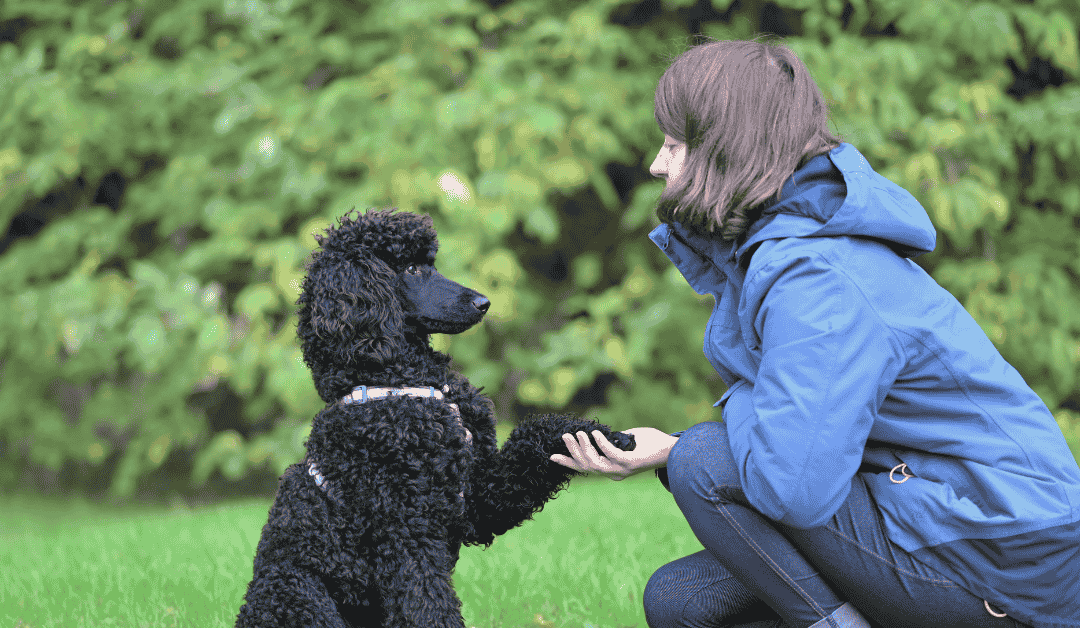
In the Dallas Metroplex, dog walking is seen as a basic necessity; something to help dogs burn energy and take a potty break during busy workdays. But dog walking and training are deeply connected. In fact, every walk is a training opportunity. When done intentionally, dog walking reinforces structure, communication, and emotional balance. Whether you’re walking your own dog or relying on our professional support, understanding how these two elements work together can make a meaningful difference. In honor of Dog Training Education Month, which is celebrated annually in February, today I’m breaking down 3 ways dog walking and dog training go hand in hand. Let’s go!
 Dog Walking Builds Structure and Predictability
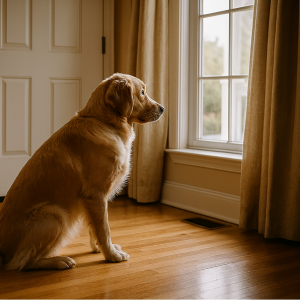
Dogs thrive on routine. Regular dog walks at consistent times help create predictability in a dog’s day, reducing anxiety and improving focus. But structure isn’t just about timing; it’s about expectations.
Loose-leash walking, waiting at doors, checking in with eye contact, and responding to cues like “sit” or “leave it” all reinforce training during walks. When these behaviors are practiced consistently, dogs learn that calm, attentive behavior earns forward movement and positive reinforcement.
Without that structure, walks can quickly become chaotic; pulling, lunging, and overstimulation replace calm engagement. Yet, when dog walks are a routine, and much-welcome part of the day, dogs start to settle into the rituals involved. From waiting patiently as their caregiver puts their harness on to hanging back while we scoop their poop during the outing, dogs learn when it’s go-time and when it’s time to wait, a skill that helps them in many other scenarios.
 Physical Exercise Supports Better Learning
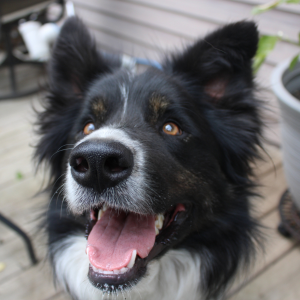
Exercise directly impacts a dog’s ability to focus. Dogs who are under-exercised often struggle with impulse control and may appear distracted or reactive. Regular walks help release excess energy, making dogs more receptive to training cues.
In Dallas neighborhoods where dogs encounter bikes, joggers, delivery vehicles, and other dogs daily, exposure during walks becomes part of training. Repeated, calm exposure to mild distractions and triggers builds confidence and reduces reactivity over time. At PCPSI, we keep exposure to perceived threats to a minimum but we cannot eliminate them entirely. When we navigate strangers, mail trucks, and gusts of wind calmly, we’re teaching your dog that it’s okay for those things to coexist with us. The more reinforcement they get, the better the message sinks in.
A tired dog is not just a calmer dog, it’s often a more teachable one. Exercise is good for the body, mind, and soul!
 Mental Enrichment Happens on Every Walk
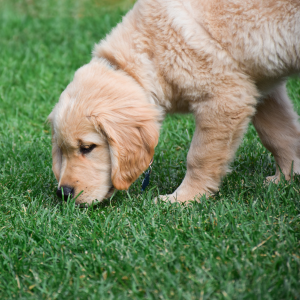
Sniffing, exploring, and navigating changing environments provide critical mental stimulation. Scent exploration alone engages a significant portion of a dog’s brain. Allowing controlled sniffing during on-leash walks satisfies instincts while still maintaining structure.
Adding small training moments, like rewarding check-ins (aka eye contact) or practicing polite greetings (from a safe space), turns ordinary walks into productive training sessions. These moments strengthen communication and reinforce desirable behaviors in real-world settings. Your dog doesn’t just get to practice their skills with you; they get to practice with us, and that’s double the training.
Training isn’t limited to formal sessions in the living room or classroom. It happens organically on sidewalks and neighborhood paths every day. It happens with you, your vet, your dog walker, your pet sitter, and your groomer.
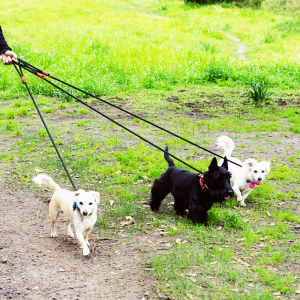 A Matter of Consistency
Life in the Dallas Metroplex can be busy. Long workdays, travel, and unpredictable weather sometimes interrupt routines. When walks become inconsistent, training progress can stall. Dogs may regress into pulling, jumping, or ignoring cues simply because expectations aren’t being consistently reinforced.
Professional dog walking helps bridge that gap. Experienced walkers like those on the PCPSI team maintain established cues, reward positive behaviors, and reinforce structure, even when family schedules shift. This continuity and routine protect both physical health and mental development while setting dogs up for training and behavioral success.
3 Ways Dog Walking and Dog Training Go Hand in Hand
At their core, to put it simply, dog walking and training are about communication. Both build trust and clarity between dogs and people. When walks are approached with intention and a keen knowledge of canine cognition, they are more than just physical exercise. Walks become structured engagement, and one of the most valuable parts of a dog’s day.
Dog training and dog walking aren’t separate responsibilities. They are two parts of the same foundation: movement, structure, and connection working together to create balanced, confident dogs. When time gets tight, and you can’t keep up with your dog’s training and/or walks, we’re here to support you. We’ll solidify training, reinforce cues and boundaries, and encourage better behaviors one day and one walk at a time. Together, we’ll help your dog be the best dog he or she can be!
The Best Dog Walkers in the Dallas Metroplex
We are accepting new clients in the Dallas Metroplex. To learn more about our pet services, please visit our FAQs and contact us at 214-828-0192 and pets@pcpsi.com. Alternatively, you can register via our client portal, available here. Existing clients, please submit reservations via this link.
We proudly serve cats in the following Dallas neighborhoods & surrounding suburbs: Bluffview, Deep Ellum, Downtown, Highland Park, Knox Henderson, Lake Highlands, Lakewood, Lower Greenville, Medical District, North Dallas, Oak Lawn, Northwest Dallas, Northeast Dallas, Old East Dallas, Preston Hollow, Turtle Creek, University Park, Victory Park.
If you are outside of our service area, check the National Association of Professional Pet Sitters (NAPPS) or Pet Sitters International (PSI) to find a pet sitter near you.