
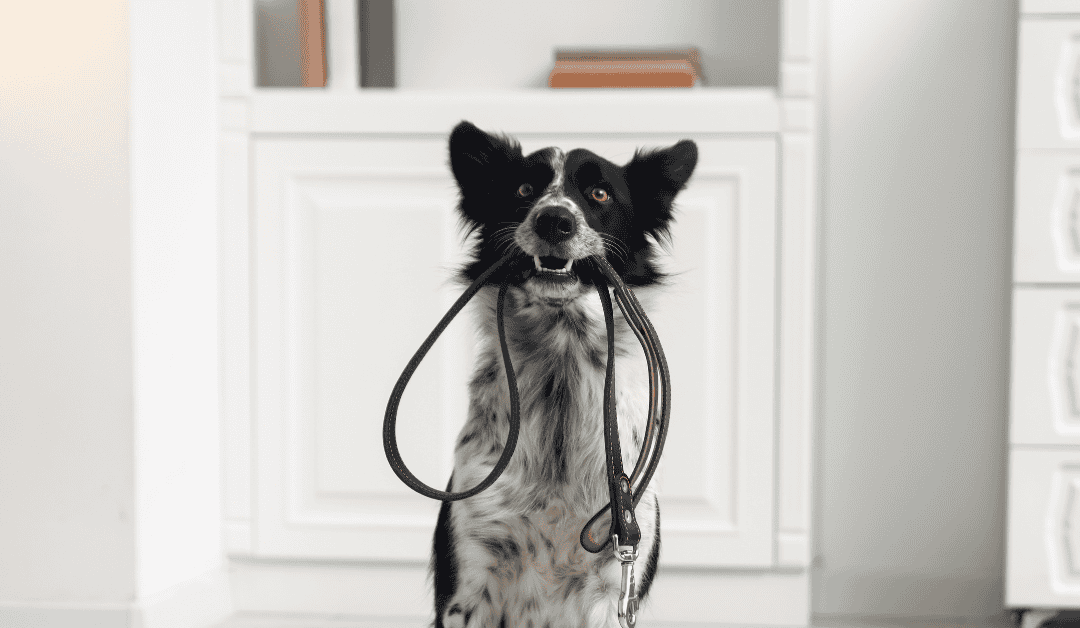
One of the most common questions Dallas pet parents ask us is simple: How long should my dog walk, and how often? The answer depends on a variety of factors, including a dog’s age, breed, health, and energy level. One thing is consistent across most dogs: regular walks are essential for both physical and mental wellbeing. So, if you’re wondering how long dogs should walk and how often, I’m going to break it down for you.
 Why Do Dogs Need Regular Walks?
Dog walks provide dogs with the opportunity to appropriately eliminate (go pee and poop). They also provide exercise, mental stimulation, and opportunities for dogs to engage with their environment.
Elimination
First off, elimination (going potty) at regular intervals allows dogs to relieve themselves, preventing discomfort, UTI and bladder infections, and other issues that stem from forcing a dog to hold their bladder or bowels for too long. Potty breaks also prevent improper elimination, which can become a habit and ruin flooring, carpeting, and furniture. Once the smell of urine permeates flooring, rugs, or carpets, it’s expensive to correct. And, in the meantime, you’ll be fighting your dog’s instinct to eliminate in that are again because it smells like urine and/or feces.
Physical Health
In addition, physical exercise has many benefits, both short-term and long-term. For dogs of all ages, walking keeps their hearts and other internal organs working optimally, helps them maintain a healthy weight, builds muscle mass, which improves metabolism, and prevents chronic pain related to aging.
 Mental Stimulation
Finally, dogs explore the world primarily through scent, and regular walks allow them to sniff new smells, observe their surroundings, and release built-up energy. Without enough mental stimulation, dogs may become bored, restless, or even destructive. This can lead to behaviors such as excessive barking, chewing, or digging, or difficulty settling down. R/egular walks help balance a dog’s energy levels and contribute to calmer, happier dogs, as long as they are long and often enough to meet the dog’s fitness needs.
How Often Should Dogs Be Walked?
What is a Dog Walk?
Before I answer the question of how often dogs should be walked, let’s define a dog walk.
A dog walk encompasses all of the elements above: time for the dog to fully empty bladder and bowels, adequate physical exercise that gets the heart rate up and the body moving, and mental stimulation that comes from sensory stimuli such as sniffing grass, observing trees and cars, listening to the sounds of the birds and neighborhood, and feeling the earth on their paws.
 A jaunt around the yard is not a dog walk. Letting your dog out in the yard is a great option for quick potty breaks and maybe an enriching game of fetch, but most yard romps lack enough time, exercise, and enrichment to meet the definition of a dog walk. Plus, dog walks are leashed and, therefore, provide more structure than outdoor play and potty.
A quick squat or leg lift on a leash is also not a dog walk. I know many dog lovers live in garden-style or high-rise complexes with no access to the outdoors. Taking your dog downstairs and outside for a quick potty break does not equal a dog walk. A ride in the elevator or sprint down the stairs may add a bit of stimulation and/or exercise, but, unless your dog is a small breed, it may not be enough to benefit them as a dog walk would.
How Long Dogs Should Walk and How Often
Again, answering the question of how many walks my dog needs a day is not as straightforward as you’d think. In order to give you an accurate answer, I’d have to ask you, what is your dog’s age? What is their breed? Do they have any heart issues, injuries, or chronic pain? Are they leash-trained? Do they have long or short hair, short (brachycephalic) noses, what’s the season, etc.? By knowing this information about your dog and outdoor conditions, I can set up a dog walk that is long enough to meet the above criteria without compromising your dog’s health, comfort, or safety. That said, to make it simple, I’ve come up with the following guide:
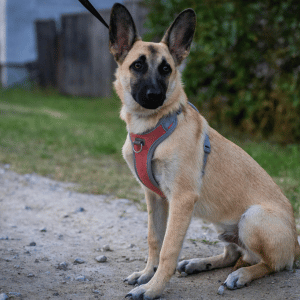 Healthy, Mid to High-Energy Adult Dogs
Most healthy, fit adult dogs benefit from at least one to two walks per day. The length of these walks depends on their overall health and fitness levels, outdoor temperatures, and your dog’s desire to walk.
The frequency of the dog walk only impacts the dog’s ability to do their business outdoors. If you want to do only one walk a day, then short potty breaks at other times, your walk should be longer. If you walk a couple of times a day, combined with maybe an early morning or late-night pee break, you can shorten the walks because the frequency keeps your dog moving. It’s all about balance, but when the weather allows, I like to see healthy, high-energy adult dogs (especially working breeds like Shepherds, Terriers, and Retrivers) walking about 30 minutes twice a day, longer if they still seem to have energy to spare.
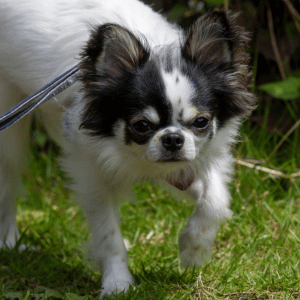 Slower, More Delicate Senior Dogs
Senior dogs still need walks, but their overall health and energy levels will impact how often and how long they are walked.
Ideally, slower, more delicate senior dogs would enjoy multiple opportunities for potty, exercise, and exploration throughout the day. Shorter walks mean less strain on their bodies, while keeping them close to home is ideal in the case of an injury or emergency. Especially if you have a large breed older dog, you may have to carry them home if they overdo it, so never go past their comfort zone. When in doubt, start with two to three 10-minute walks a day and shorten or lengthen from there. Starting gently ensures their wellbeing and prevents strain, which can be very uncomfortable for aging dogs.
Puppies
Puppies go through mental and physical developmental stages that greatly impact their bodies.
It’s not advised for young puppies to be on a leash and collar too soon, for example, and walks should be gentle and slow for the first few months of life due to the slow process that is the fusing of their bones. When in doubt, speak to your veterinarian or breeder about your particular pup’s developmental stages and needs. We love to hear that you and your pet care team are working together to ensure your puppy’s long-term health, and will support your vet or breeder’s recommendations, not just for walk time but also for dog walking equipment like leashes and harnesses.
Don’t Forget to Sniff!
A walk’s value isn’t measured only by distance or time. Allowing time for sniffing, exploration, and calm engagement with the environment can be just as important as the length of the walk. Sniffing and observing new environments provides mental stimulation that helps dogs feel satisfied and relaxed afterward.
So, let your dog sniff that mailbox or pee on the fire hydrant, allow your dog to go back and smell something twice, or pause when the sniffing gets good. Sniffing connects to the dog’s brain centers of pleasure and information gathering, and can be really fulfilling for them. Don’t let them miss out!
Get Help From A Professional Dog Walker
For working pet parents in the Dallas Metroplex, a morning and/or evening walk forms the foundation of many dogs’ daily routine. Adding a midday walk can make a significant difference for dogs who spend long stretches alone at home. This much-needed potty and exercise break allows them to relieve themselves, stretch their legs, and reset mentally before the rest of the day.
In busy households, maintaining consistent walks can be challenging. Long workdays, travel, and unpredictable schedules often interrupt routines that dogs rely on. Professional dog walking services help fill that gap. A scheduled midday walk can provide exercise, mental stimulation, and a much-needed break during the day. Consistency helps maintain healthy habits and supports ongoing training and behavior.
The Best Dog Walkers in the Dallas Metroplex
Ultimately, the best walking schedule is one that meets your dog’s physical needs, supports mental enrichment, and fits consistently into daily life. For many Dallas dogs, regular walks, whether with their families or a trusted professional, are one of the most important parts of a happy, healthy life. Dogs thrive when their routine includes predictable activity and engagement!
We are accepting new dog walking clients in the Dallas Metroplex. To learn more about our pet services, please visit our FAQs and contact us at 214-828-0192 and pets@pcpsi.com. Alternatively, you can register via our client portal, available here. Existing clients, please submit reservations via this link.
We proudly serve cats in the following Dallas neighborhoods & surrounding suburbs: Bluffview, Deep Ellum, Downtown, Highland Park, Knox Henderson, Lake Highlands, Lakewood, Lower Greenville, Medical District, North Dallas, Oak Lawn, Northwest Dallas, Northeast Dallas, Old East Dallas, Preston Hollow, Turtle Creek, University Park, Victory Park.
If you are outside of our service area, check the National Association of Professional Pet Sitters (NAPPS) or Pet Sitters International (PSI) to find a pet sitter near you.